- The Weekly Buzz 🐝 by Blossom
- Posts
- 📉 Market Crash Continues For 3rd Week As Oil Crosses $100/Barrel (US)
📉 Market Crash Continues For 3rd Week As Oil Crosses $100/Barrel (US)
Plus, could the Private Credit crisis be even worse than the Iran war?

Maxwell Nicholson
March 15, 2026

Table of Contents
TOP STORY
🩸 Market Crash Continues For 3rd Week As Oil Crosses $100/Barrel

😰 It was another rough week for the markets, and once again, the Iran-U.S. war was the main culprit.
🗺️ As we’ve been covering (read here and here), the main factor hurting the markets is the closure of the Strait of Hormuz, a very narrow (but important) waterway responsible for roughly 20% of the world’s total oil supply.
🛢️ And this week, as tensions remain high, Brent Crude (the global Oil standard) officially crossed and maintained $100 a barrel for the first time in years, as inbound tanker traffic through the Strait fell to zero.
🚢 As of the time of writing, roughly 1,000 ships are now trapped in the Gulf, with the International Energy Agency (IEA) estimating the war is cutting global supply by 8 million barrels per day, calling it “the largest oil supply disruption in history.”
🎭 Geopolitical Theatre
🛡️ Trump tried to ease the volatility by doubling down on his promise from last week to have the U.S. Navy escort oil tankers through the Strait, saying it will “happen very soon,” but according to U.S. Energy Secretary Chris Wright, that may be easier said than done:
“We’re simply not ready to escort tankers. All of our military assets right now are focused on destroying Iran’s offensive capabilities and the manufacturing industry that supplies their offensive capabilities.”
🛢️ That said, the U.S., along with 32 member nations of the IEA, has also agreed to help bring down energy prices with a coordinated release of 400 million barrels of oil and other products from their reserves (172 million of those coming from the U.S. itself).
🩸 But even with this coordinated effort, the war led to another five straight days of declines, ending the 3rd consecutive week of bloodshed for U.S. markets:
The S&P fell -1.6%
The Nasdaq-100 fell -1.1%
The TSX fell -1.6%
📉 The S&P is now down -4.5% since the war started and -3.3% year-to-date.
😰 And while the market is already in rough shape, according to some analysts, there may be another crisis on the horizon that’s an even bigger problem than the Iran war…
👀 But before we talk about what that is, a quick word from this week’s sponsor, XTrackers!
PRESENTED BY XTRACKERS BY DWS
🎯 CHPS: Invest in the Future of Digital Infrastructure

⭐️ Position your portfolio at the center of technological innovation with the Xtrackers Semiconductor Select Equity ETF (CHPS).
🚀 Why CHPS?
Targeted Exposure: CHPS provides access to the leading chipmakers, powering breakthroughs in AI, 5G, and cloud computing—the engines of tomorrow’s economy
Cost Advantage: With a low 0.15% expense ratio, CHPS provides efficient access to a high-growth sector.
Focused Strategy: Ability to express a long-term view on semiconductors as key enablers of modern digital infrastructure and productivity trends.
📚 Learn how CHPS can strengthen a portfolio and help investors capitalize on semiconductor market momentum.
*See Xtrackers Disclaimer at the end of the newsletter
TOP STORY CONT.
😬 Could the Private Credit Crisis be a Bigger Problem than the Iran War?
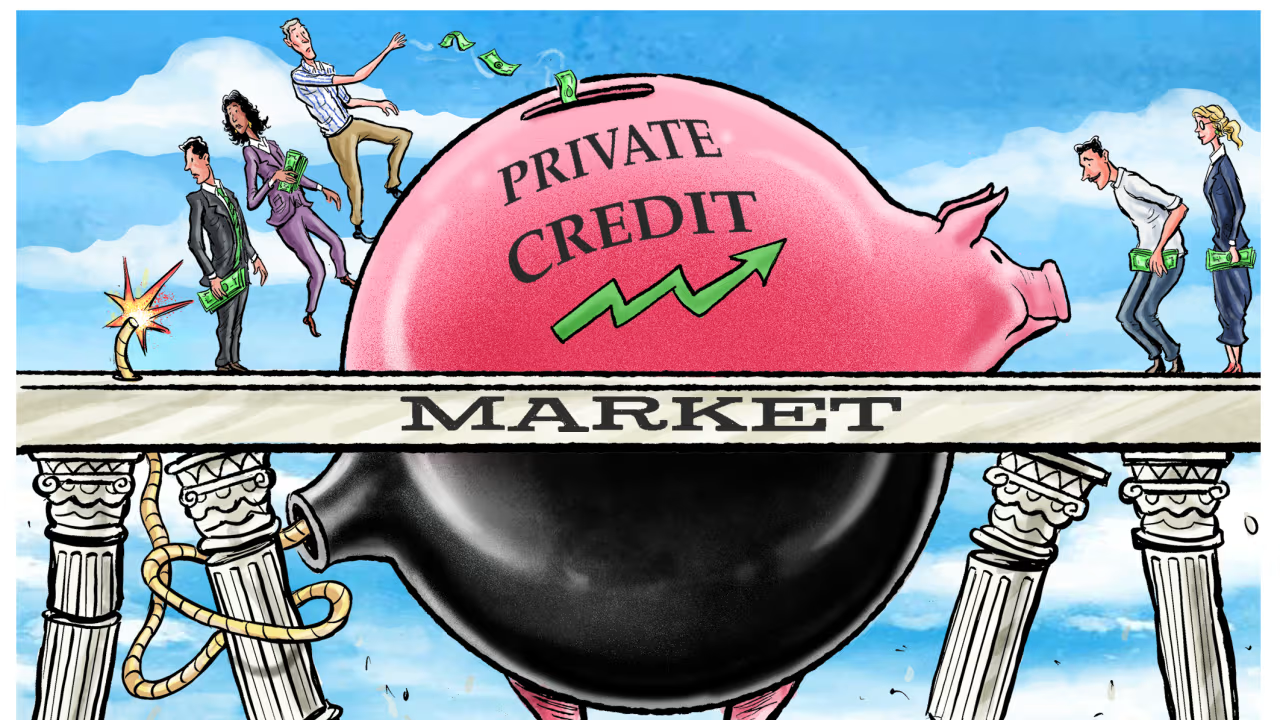
😰 While the war has been dominating the headlines, another crisis has been brewing in the private credit market.
💸 The private credit industry has soared to $3 tillion in assets by offering higher yields than traditional bonds, lending directly to companies through private funds instead of banks.
😬 But this week, several large funds, including ones run by major firms like BlackRock, Blackstone, Blue Owl, and Morgan Stanley, have limited investor withdrawals after redemption requests surged, leading some to ask if this could be a repeat of the 2008 financial crisis and headlines like “What Is Private Credit—and Why Could It Be a Bigger Problem Than the Iran War?” from Barrons, CNBC, the New York Times, and many others.
💸 The Rise of Private Credit
🏦 After the 2008 crash, regulators forced banks to hold more capital and limit risky lending. But companies still needed loans, and investors still wanted yield. So a new set of lenders stepped in: private credit funds.
❌ Unlike stocks or ETFs, private credit investments are not easily sold. Most funds only allow investors to withdraw a limited percentage of assets each quarter. When markets are calm, this works fine. But if many investors try to withdraw at once (as is happening now), funds can hit those limits and “gate” withdrawals, meaning investors can’t access their money right away.
🤖 AI-Driven Panic
🤖 One of the factors causing these panic withdrawls is AI. A large portion of private credit lending has gone to software companies, which have been facing a massive disruption from rapidly improving AI tools.
📊 Some analysts estimate that as much as 35% of private credit portfolios could face AI risk, particularly among software firms.
📉 Private credit funds have built a reputation for very stable returns, but with the AI disruption, funds may be forced to mark down the value of those loans, adding to the panic.
👀 Potential Crisis?
🚨 The main reason for the big scary headlines isn’t really about the private credit markets, it’s more that it could be an early warning sign for broader stress in the credit markets.
💬 As the CEO of JP Morgan said back in September, after the high-profile bankruptcy of two companies funded by private credit:
“My antenna goes up when things like this happen, when you see one cockroach, there’s probably more.”
👀 According to Amit Seru, a finance professor at Stanford, one collapse “often reveals deeper weaknesses in balance sheets, valuations or risk management.”
🔗 Private credit is much smaller than the mortgage market that caused the 2008 crisis, but it’s deeply connected to the broader financial system. As Laks Ganapathi from the research group Unicus says:
“Take this mess as a warning shot. Investors who lost money in 2008 didn’t lose it because they panicked too early. They lost it because they paid attention too late.”
😮💨 But according to many other experts, the potential impacts are being largely overstated, especially when it comes to AI.
“When a private credit fund makes a loan to a software company, it is not making a bet that the company will exist forever. It is making a bet that the company will exist long enough to pay back the loan. Those are very different bets, and right now the market is confusing them.”
👀 Overall, I found it quite challenging while researching to truly understand what the risk is (other than just broad panic), and do think the headlines are overstating the potential impact to get clicks, but I’ll certainly be researching more and keeping you all updated as the crisis develops.
💡 A Note About Panic
⏰ With the war, a potential private credit crisis, AI bubble worries, and whatever new mess happens next week, a lot of you are probably feeling anxious right now, but history shows that keeping a long-term investing view is better than panic selling and trying to time the market.
📊 I shared this chart last week but I think it’s worth sharing again:
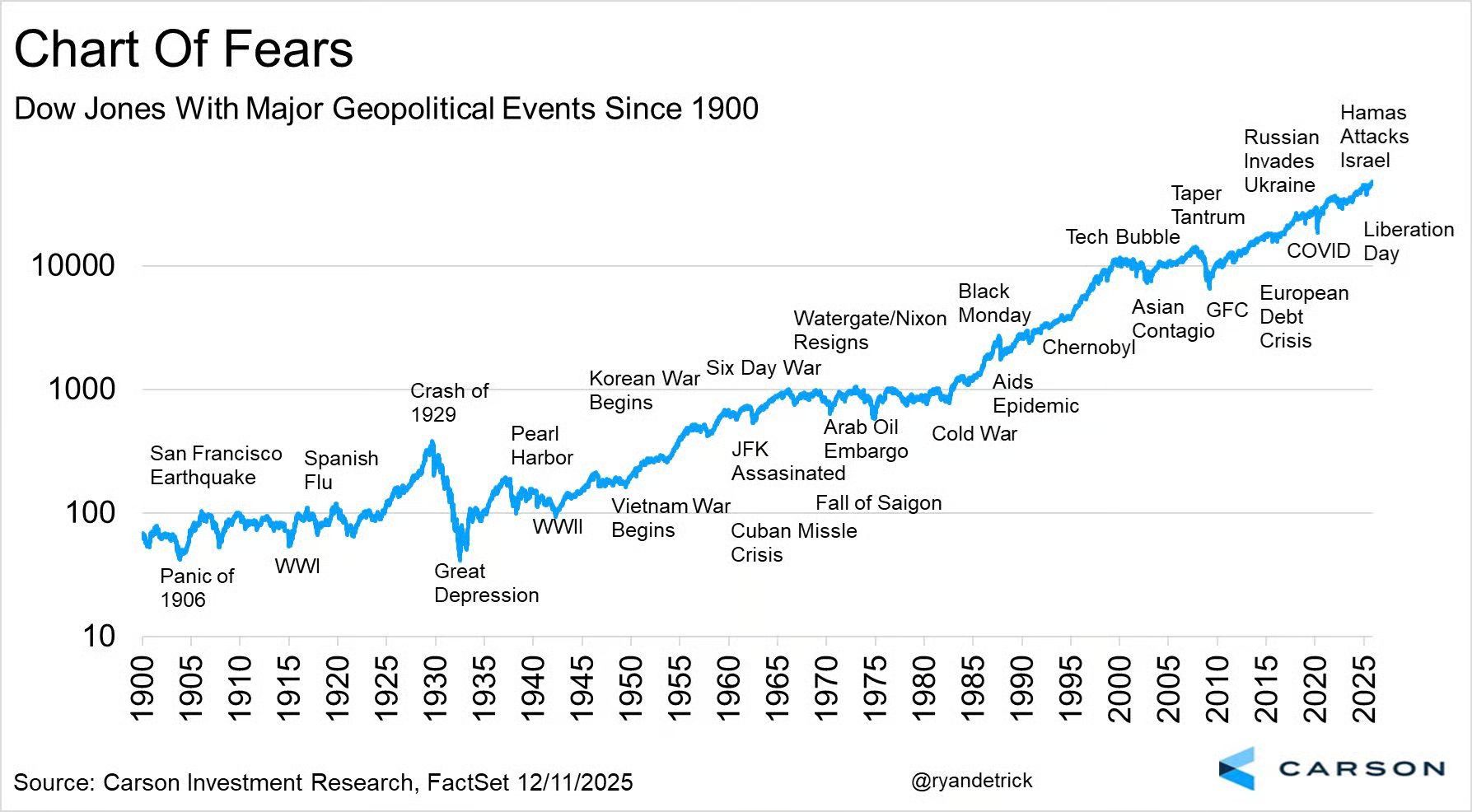
🔍 As I said last week, if you’re a long-term investor, you should get used to headlines shaking up markets, and the best way you can keep calm during times like these is to zoom out.
💡 That said, mini market crashes like these (if we can even really call it that with the S&P still up 17% over the past year), are a good time to re-evaluate your portfolio to make sure it matches your risk tolerance and goals… and if you want a tangible next step to do that, make sure you check out Beevis on Blossom, our new AI tool which gives you a quick analysis of your portfolio!
📰 In other news, Adobe ($ADBE) had a big stock crash this week and a cool new ETF hit the market, so let’s switch gears and dive into our other stories of the week!
FUTUREPROOF RECAP
⭐️ 5 ETFs to Add to Your Watchlist

🥳 This last week the Blossom team were out in Miami for Futureproof, essentially a big festival for ETF providers and financial advisors, and I had the chance to meet a lot of awesome fund managers and lead about some ETFs that are worth adding to your radar!
🤖 1) The Draco Evolution AI ETF ($DRAI)
An ETF that uses a proprietary AI-driven model to make investment decisions, blending quantitative analysis with macroeconomic data. The fund dynamically adjust its portfolio based on market conditions, giving investors exposure to a strategy that combines artificial intelligence with active portfolio management.
🪙 2) Hashdex’s Nasdaq Crypto Index US ETF ($NCIQ)
Instead of betting on just one token like Bitcoin, $NCIQ tracks the Nasdaq Crypto Index, which includes multiple leading digital assets and aims to represent the broader crypto market.
📊 3) InfraCap’s Small Cap Equity ETF ($SCAP)
A small-cap focused ETF that aims to capture opportunities among under-the-radar companies with strong growth potential. Small caps have lagged large caps in recent years, so funds like $SCAP are designed for investors who believe a rotation back into smaller companies could be coming.
🏦 4) Northern Trust’s Municipal Bond ETFs ($TAXS and $TAXI)
These ETFs focus on tax-advantaged municipal bonds, which are popular with investors looking for income that may be exempt from federal taxes. With interest rates still elevated, muni bond ETFs like $TAXS and $TAXI are drawing attention from investors seeking steady tax-efficient yield.
💸 5) BondBloxx’s CCC Rated USD High Yield Corporate Bond ETF ($XCCC)
An ETF targeting the highest-yield segment of the high-yield bond market, specifically CCC-rated corporate debt. While riskier than most bond ETFs, $XCCC offers exposure to the part of the credit market that can deliver very high income potential (currently at a ~11% 30-Day SEC Yield)
💡 One thing that stood out at FutureProof was just how niche ETFs are becoming. From AI-powered stock pickers to private credit exposure and even CCC-rated bonds, ETF issuers are increasingly building funds that target very specific strategies and parts of the market! I hope you find some of these as interesting as I did!
EARNINGS RECAP
📉 Adobe Crashes 11% After Earnings
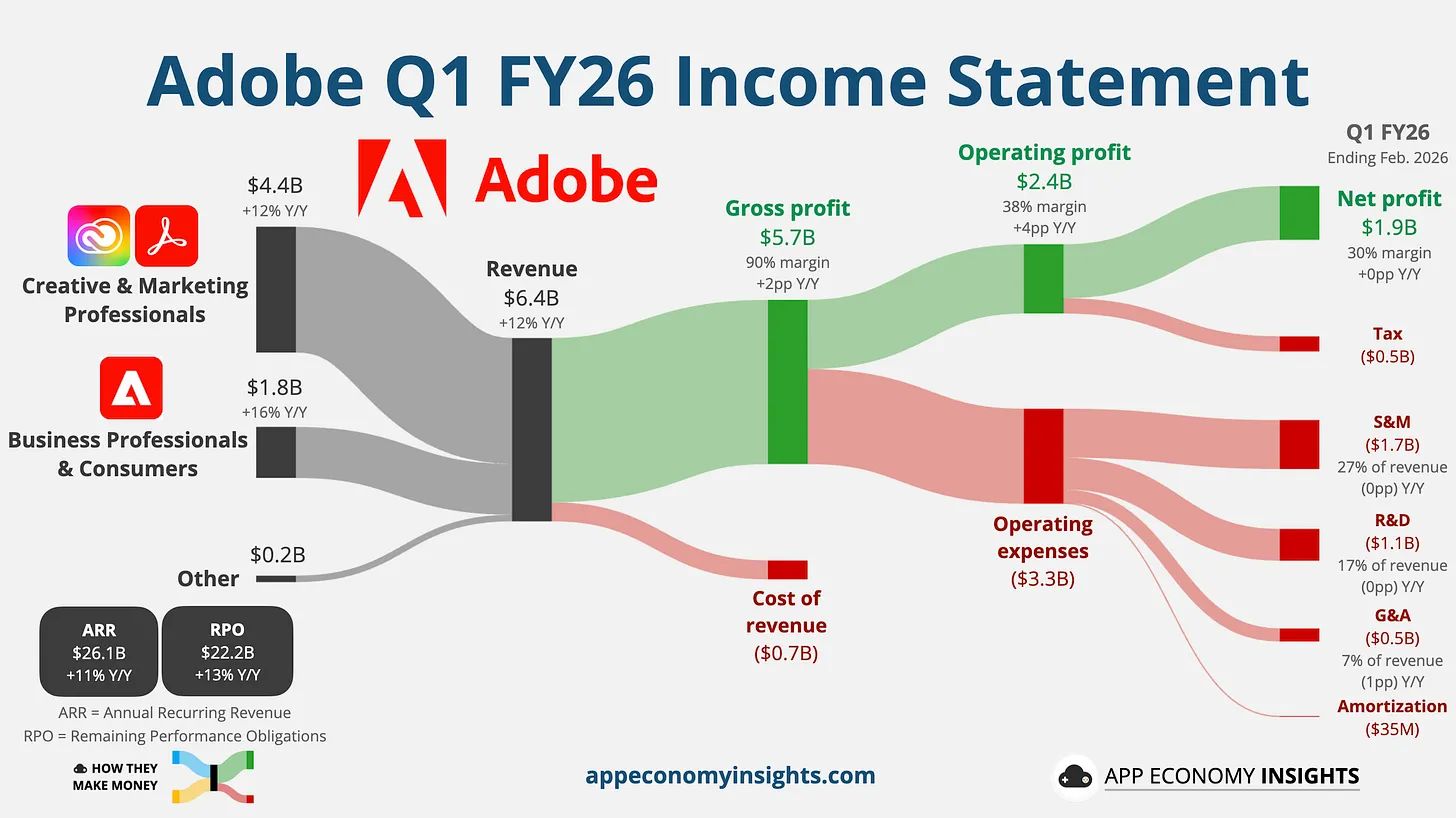
😬 On Thursday, one of the most sold off stocks in the market to-date reported its Q1 earnings, beating on the top and bottom line, but dropping another 11% this week on the news that it’s longtime CEO, Shantanu Narayen, would be stepping down.
🪑 The reason for his resignation wasn’t exactly stated, though he be working with Adobe’s Board of Directors to identify a successor and will stay on as Chair of the Board when the new CEO is chosen.
📊 An overview of the numbers:
✅ Revenue hit $6.4 billion vs. $6.28 billion expected, up 12% year-over-year
✅ Earnings per share hit $6.06 vs $5.87 expected, up 11% year-over-year
🤖 Easing AI Concerns

🧐 In the past year, Adobe has been hurt by the “SaaSpocalypse” narrative, an idea that AI from companies like Midjourney, Google ($GOOGL) or OpenAI would slowly eat Adobe’s lunch by making Creative Cloud and the company’s suite of video and image editing software obsolete.
💡 But behind the scenes, rather than fighting AI, Adobe has embedded it directly into its products with Firefly, its commercially safe generative AI model, trained on licensed and public domain content. This model has been integrated into the company’s own software:
“Creative Cloud with deeply infused AI capabilities continues to be the destination of choice for power and precision creation and enterprises are increasingly turning to Firefly Enterprise to unlock a new era of content automation.”
📈 As of this quarter, Firefly subscription and credit pack ARR grew 75% quarter over quarter, generative credit consumption was up over 45% quarter over quarter, and video generative actions grew 8x year over year. Monthly active users across Adobe products also surpassed 850 million, growing 17% year-over-year.
🤔 Some analysts say this may help with AI fears, though Adobe will need many more quarters to follow with similar results before sentiment officially changes.
🔑 But whether the next CEO can keep that momentum going without missing a beat is the real question heading into a new year.
📈 Despite the Drop, Analysts Remain Fairly Bullish
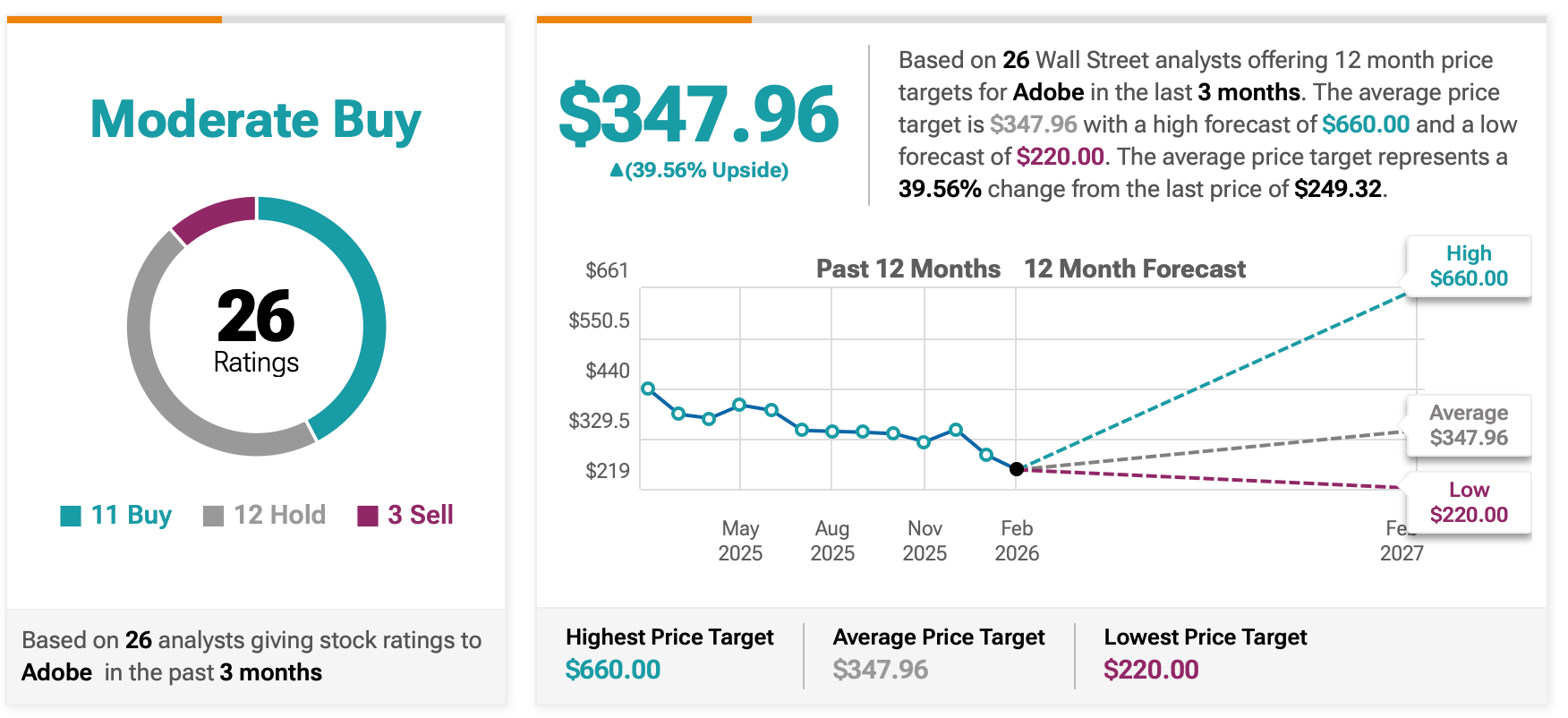
📉 Analysts remain relatively bullish on Adobe despite all the concerns surrounding it, but some still remain cautious. And a new CEO will need to stay on the track of defending Adobe’s business in an AI world to put down any fears from investors. As one analyst put it:
“Investors will likely focus on whether incoming leadership maintains a balance between disciplined execution and aggressive AI investment, especially as competition in creative and enterprise AI intensifies.”
🎯 Current analyst consensus rate Adobe a “Moderate Buy” with an average price target of $348 per share, or roughly 40% higher than the current price of $250, with most sitting in the $250-$350 range.
FROM THE BLOSSOM COMMUNITY
⭐️ Top Discussions of the Week
👇 Click to see the full post!
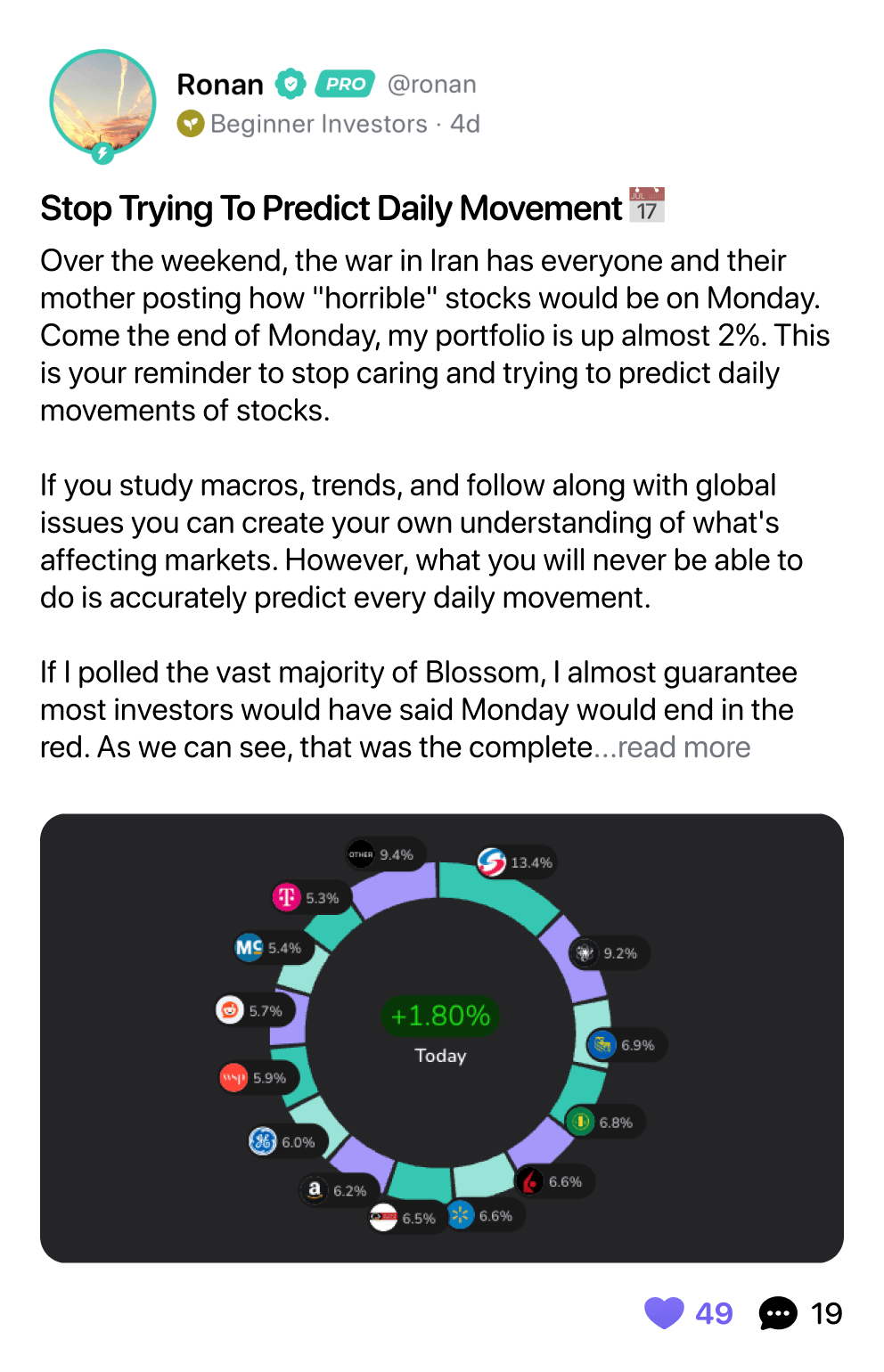
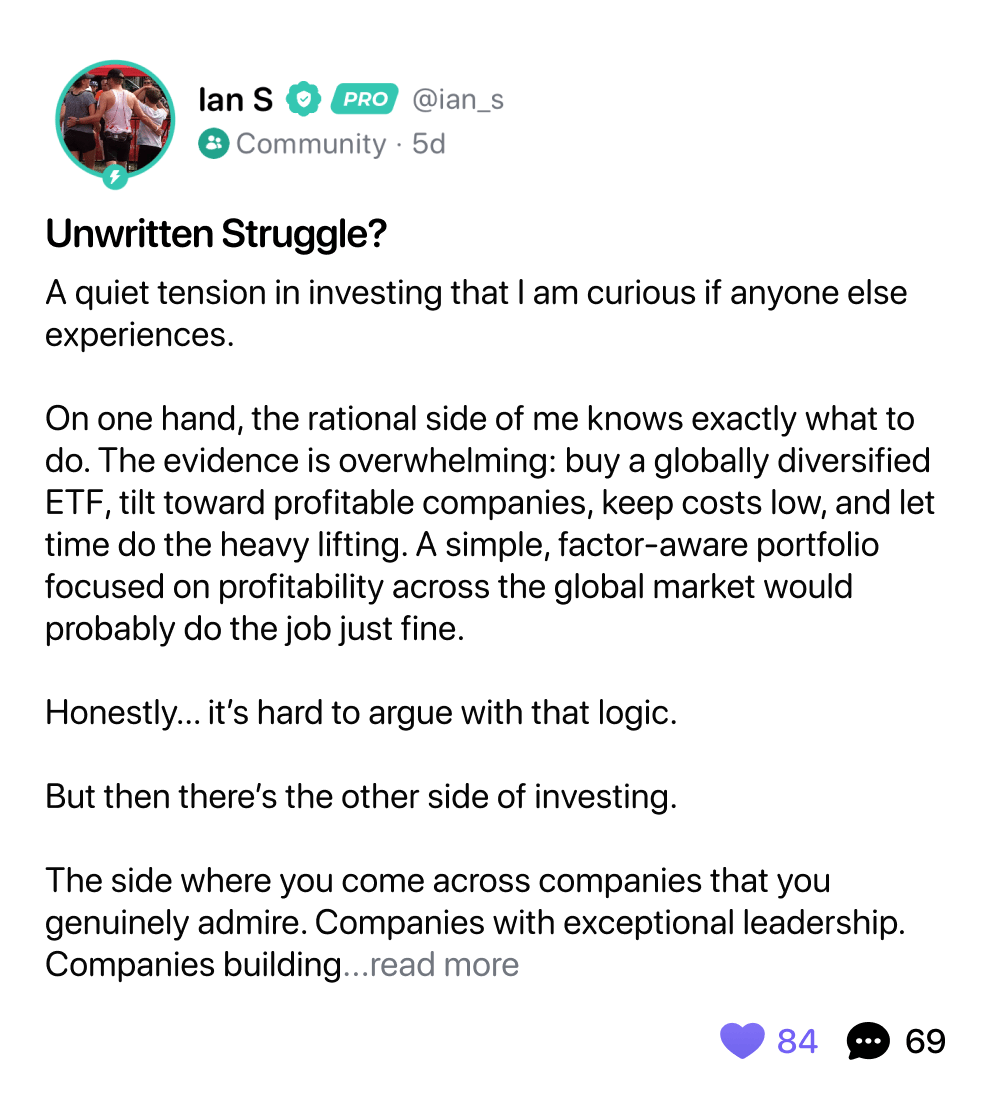

Xtrackers Important Disclosures
Important Disclosures
All investments involve risk, including loss of principal. Information on the fund’s investment objectives, risk factors, charges, and expenses can be found in the fund’s prospectus at Xtrackers.com. Read it carefully before investing.
For current holdings and more info Xtrackers Semiconductor Select Equity ETF | CHPS. Distributed by ALPS Distributors, Inc.
© 2026 DWS Group GmbH & Co. KGaA. All rights reserved. 109518-1 (3/26) DBX007222 (3/27)